
Technical support for materials, tools and processes
A single point of access to operating guides, documentation, market analysis and an initial assessment with the Global Technology AI expert.
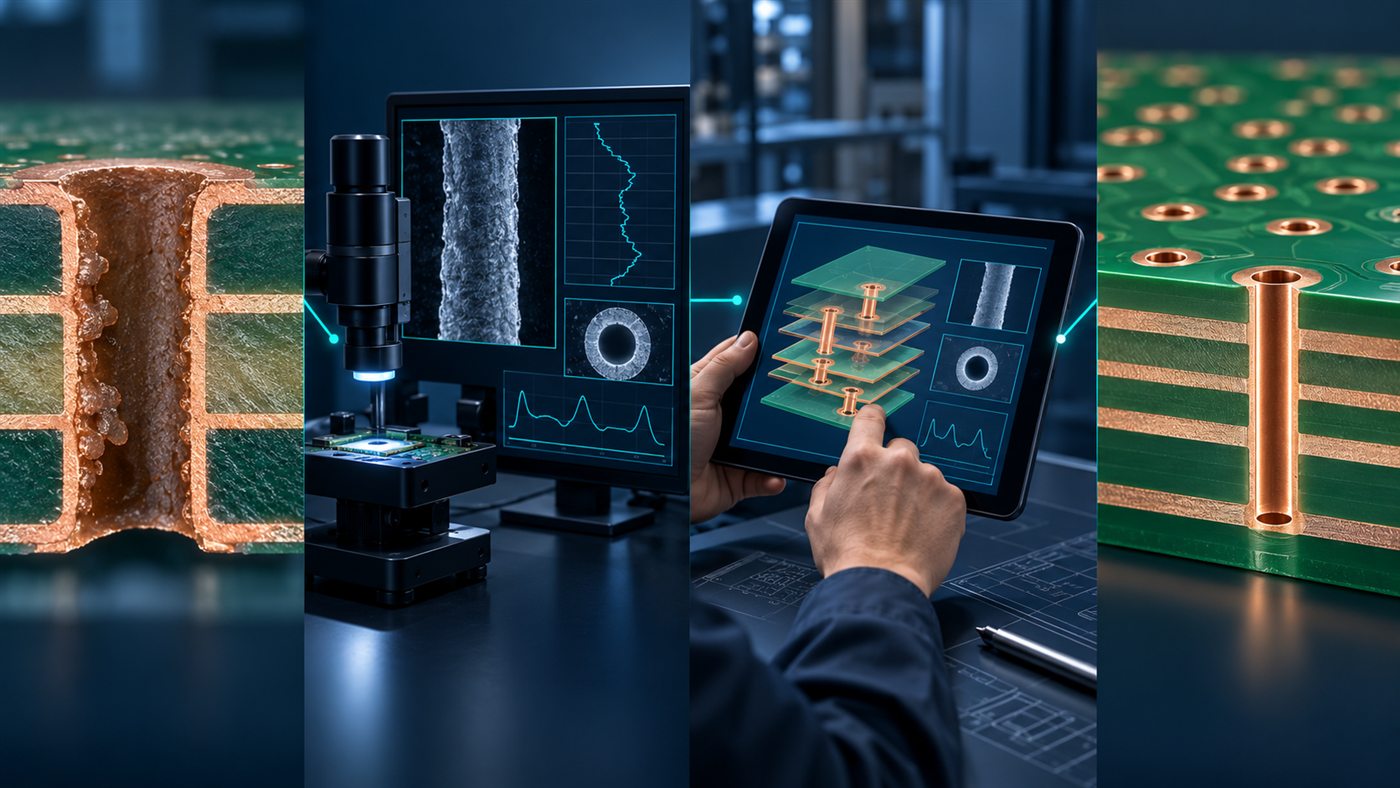
A practical review for your PCB process
Drilling guide
Parameters, entry materials, tools and checks to stabilise hole quality and drill life.
Routing guide
Guidance on tool geometry, feed, speed, extraction and edge quality.
News and market studies
Concise updates on materials, production capacity, availability and regulatory requirements.
What to consider before making a choice
A well-directed technical request requires comparable process data and a clear description of the expected result.
Useful data
- Panel material, thickness and construction
- Machine, spindle and tool used
- Speed, feed and hit count
- Observed defect and frequency
- Available photos, measurements or product codes
Continue exploring
Drilling process guide
An operating path for analysing the drilling process.
Routing process guide
An operating path for profiling and edge machining.
News and market studies
Informative analyses with primary sources and an update date.
How we approach three typical situations
These situations show the method we use to analyse an application. For confidentiality, we do not publish company names, order details or individual customer results.
Hole quality in multilayer PCBs
Situation
Burrs, smear or irregular hole walls in thick multilayer PCBs.
What we check
Drill wear and geometry, cutting parameters, entry and back-up materials, stack composition and runout.
What we propose
A tool and initial parameters to trial. If necessary, we recommend changes to the stack composition.
Expected outcome
Stable hole-wall quality and documented parameters for production.
Breakage in microdrilling
Situation
Frequent breakage of small-diameter drills.
What we check
Actual spindle runout, condition of the collets and spindle, chip load and stack height.
What we propose
Parameter correction and, if necessary, spindle inspection or repair and collet replacement.
Expected outcome
Fewer breakages and an identified cause, not simply a change of tool.
Tool inventory planning
Situation
Variable consumption and a risk of downtime for critical diameters.
What we check
Most frequently used diameters, historical consumption, current stock and lead times.
What we propose
A delivery schedule and dedicated stock for critical items.
Expected outcome
Availability of critical tools without excessive stock.
Do you have a technical issue to analyse?
Describe the application, material and required check. The AI expert gathers the initial data for a focused assessment.